













Can’t concentrate? Losing your train of thought mid-sentence?
That mental fuzziness has a name, and it’s more common than you think!
Brain Fog is not a medical diagnosis, but it is a very real experience. It can zap your focus, slow your thinking, and make even simple tasks feel strangely difficult. And according to recent research, 60% of UK adults report feeling it daily.
The bright side? Brain fog isn’t permanent.
In this blog, we will explore what causes brain fog, how to recognise the symptoms, and simple ways to help lift the haze and get back to feeling focused and clear.
What is Brain Fog?
Brain fog is not a disease or diagnosis. It is a general term used to describe slowed or fuzzy thinking, and it can affect anyone. People with brain fog often say they feel mentally “off,” easily distracted, or not quite themselves.
It is often compared to feeling jet-lagged or sleep-deprived, except it sticks around much longer. You might struggle to follow conversations, stay focused on tasks, or find the right words in everyday situations.
What Causes Brain Fog?
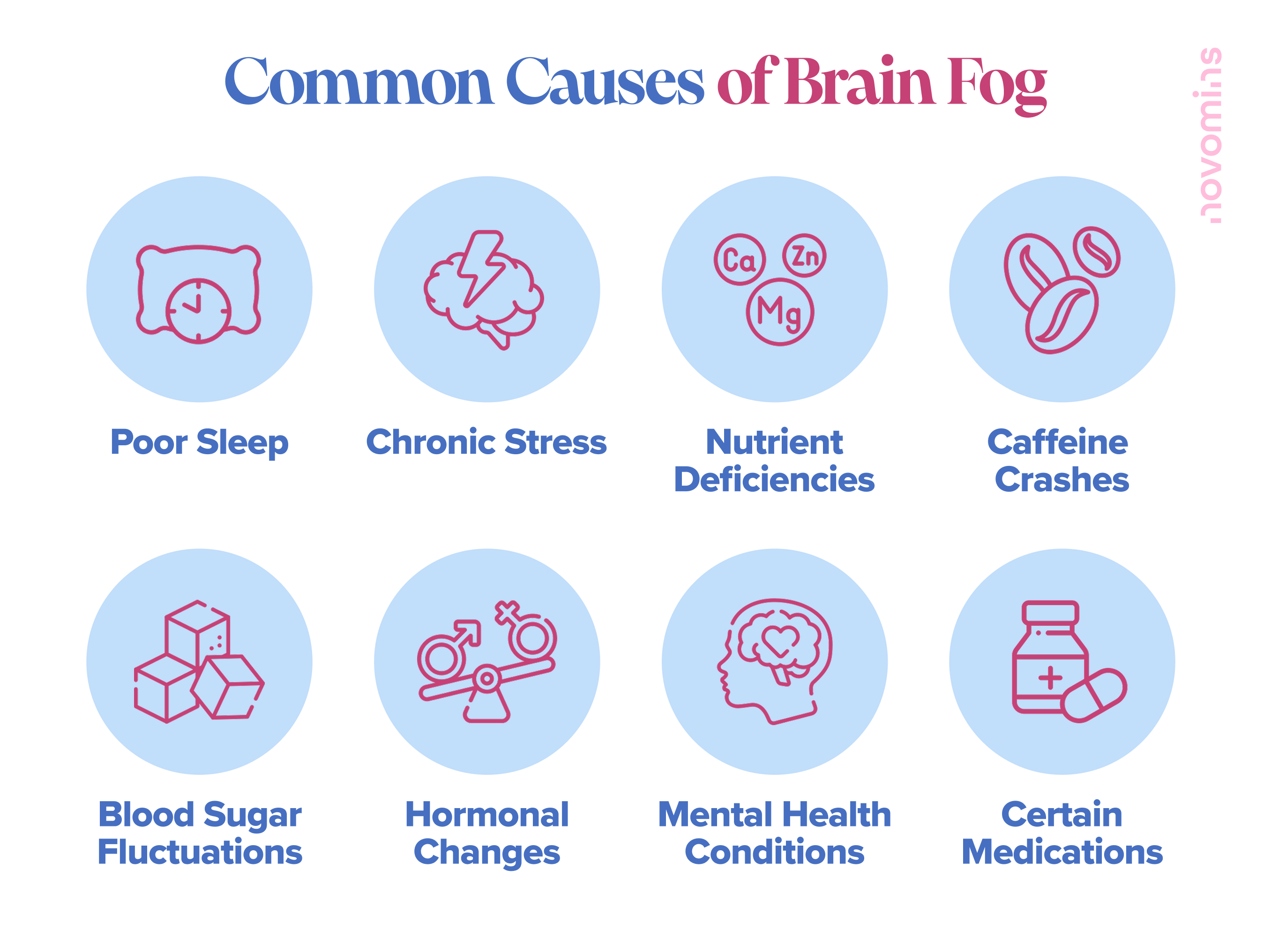
There’s no single culprit. Brain fog can be triggered by a mix of physical, emotional, and lifestyle factors, including:
View as text
Common Causes of Brain Fog
- Poor Sleep
- Chronic Stress
- Nutrient Deficiencies
- Caffeine Crashes
- Blood Sugar Fluctuations
- Hormonal Changes
- Mental Health Conditions
- Certain Medications
- Poor sleep. Without seven to nine hours of restful sleep, your brain can struggle to reset properly.
- Chronic stress. Prolonged exposure to stress hormones like cortisol can impair memory and attention.
- Nutrient deficiencies. Missing key vitamins and minerals can slow brain signalling and cause fatigue.
- Caffeine crashes. Overuse of caffeine may lead to short bursts of energy followed by mental dips.
- Blood sugar fluctuations. Sharp highs and lows can trigger fog and tiredness.
- Hormonal changes. Pregnancy, menopause, and thyroid imbalances can all affect mental clarity.
- Mental health conditions. Depression and anxiety are both linked to poor focus, fatigue and memory concerns.
- Certain medications. Some medications may list brain fog as a side effect.
Symptoms of Brain Fog
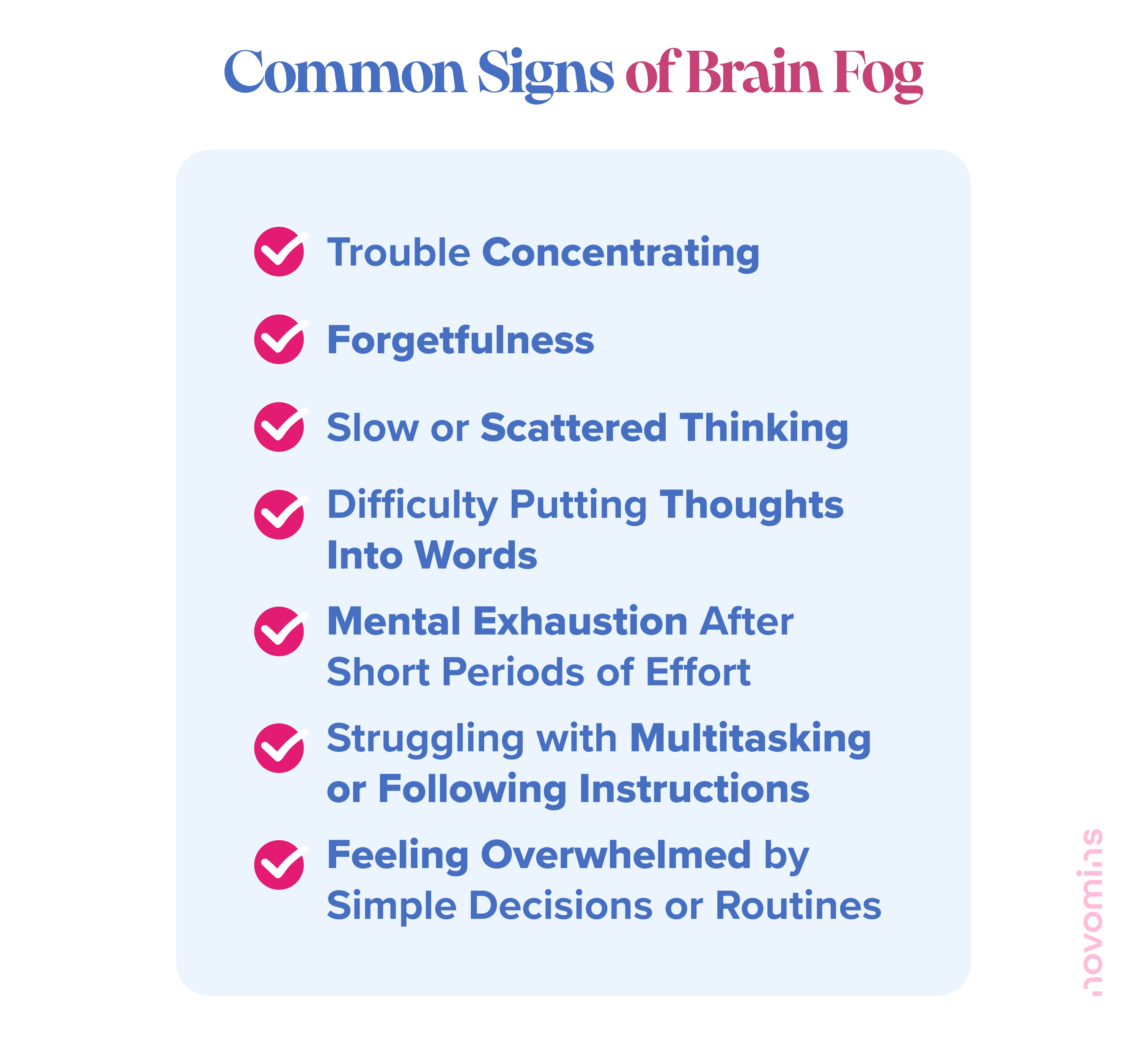
Brain fog can vary in intensity, but most people experience a mix of these symptoms:
View as text
Common Signs of Brain Fog
- Trouble Concentrating
- Forgetfulness
- Slow or Scattered Thinking
- Difficulty Putting Thoughts Into Words
- Mental Exhaustion After Short Periods of Effort
- Struggling with Multitasking or Following Instructions
- Feeling Overwhelmed by Simple Decisions or Routines
5 Ways to Deal with Brain Fog (Naturally)
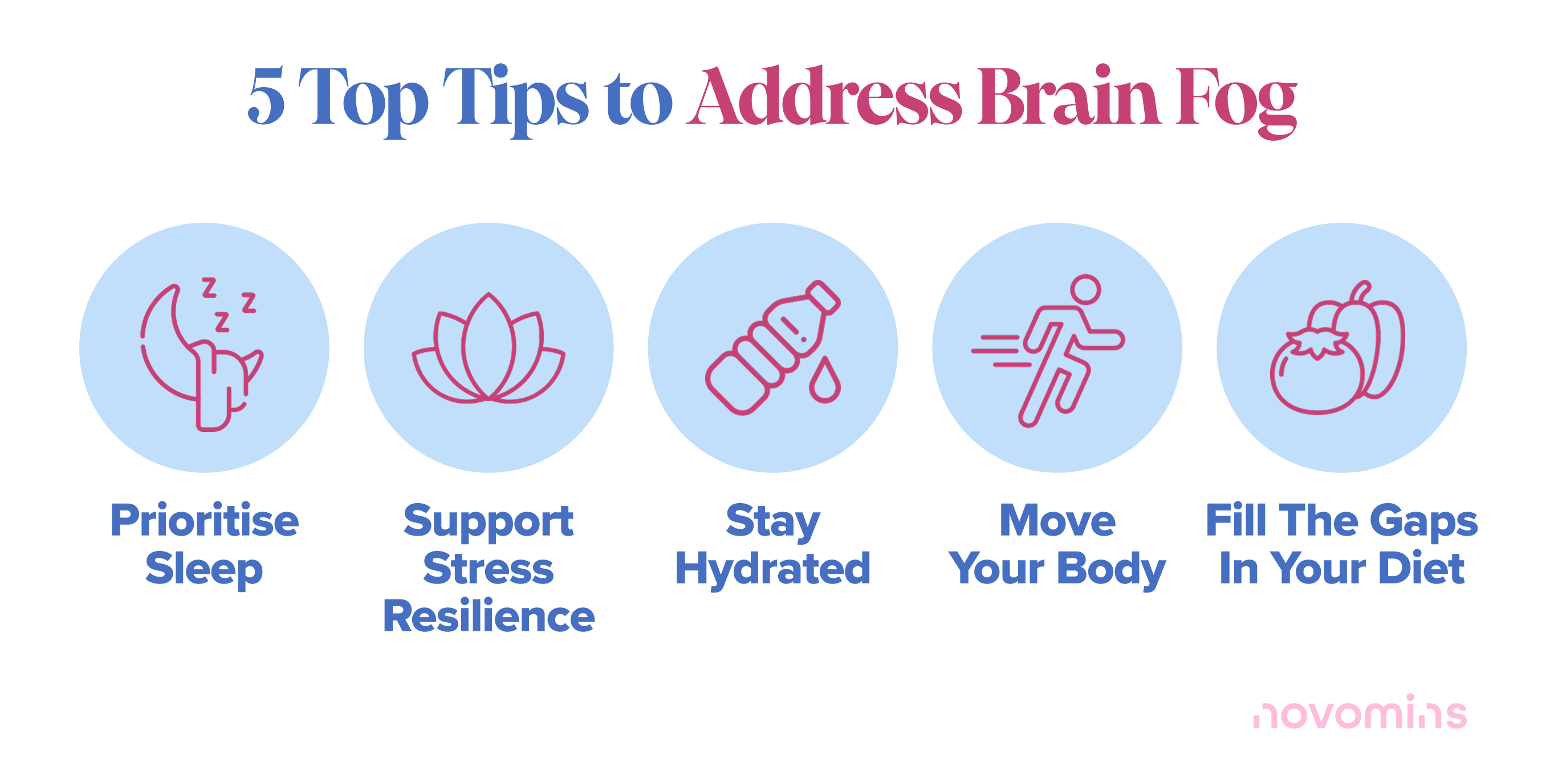
You don't necessarily need a major lifestyle overhaul. A few small, consistent changes can help restore clarity and focus.
View as text
5 Top Tips to Address Brain Fog
- Prioritise Sleep
- Support Stress Resilience
- Stay Hydrated
- Move Your Body
- Fill The Gaps In Your Diet
1. Prioritise Sleep
Sleep is one of the most powerful tools for mental clarity. During deep sleep, your brain consolidates memories, processes emotions, and resets for the day ahead. Without enough quality rest, focus, energy, and decision-making can all take a hit.
Aim for seven to nine hours each night and try to keep a consistent sleep routine - even on weekends. Wind-down habits like switching off screens, reading, or stretching before bed can help signal to your body that it is time to rest.

View as text
Expert Hack
A recent study showed that a single high dose of creatine improved cognitive performance and altered brain energy metabolism during sleep deprivation!
2. Support Stress Resilience
Chronic stress can trigger a flood of cortisol, your body’s primary stress hormone. Over time, this can impair memory, reduce concentration, and leave you feeling mentally drained.
To support a calmer mind, try integrating simple de-stressing habits into your day. Gentle yoga, breathwork, journaling, or just stepping outside for fresh air can help calm your nervous system and reset your focus.

View as text
Expert Hack
Often called “nature’s calming mineral”, magnesium is widely recognised for promoting relaxation and restful sleep. But fewer people realise that glycine offers similar soothing effects — making the two a powerful duo for supporting better sleep.
3. Stay Hydrated
Your brain is around 75% water, and even slight dehydration can affect cognition. That afternoon slump? It may be hydration-related.
Start your day with a glass of water, keep a bottle nearby, and aim to sip regularly - especially if you drink tea or coffee, which can be dehydrating.

View as text
Expert Hack
Magnesium (Mg) can support fluid balance and influence water retention and utilisation in the gut!
4. Move Your Body
Exercise can improve blood flow and oxygen delivery to the brain. It also boosts mood-enhancing endorphins and supports deeper sleep.
You do not need to commit to a full workout. A ten-minute walk, a stretch session, or even dancing in your kitchen can give your brain the boost it needs.

View as text
Expert Hack
If stiff or painful joints are keeping you from moving, curcumin can be a powerful ally as it is being increasingly studied for its neuroprotective and anti-inflammatory properties.
5. Nutrient Support
When lifestyle shifts are not enough, certain nutrients can provide targeted support for focus, clarity, and calm. Some of the most popular research-backed ingredients include:

- Magnesium - known to support muscle relaxation, energy metabolism, electrolyte balance, and a calm mental state
- Curcumin - studied for its neuroprotective and anti-inflammatory properties
- Shilajit - studies show it can support cognitive function and provide the body with the nutrients it needs to produce natural energy.
- B vitamins - proven to support energy metabolism and reduce fatigue
- Lion's Mane Mushroom - known to support focus & clarity and studied for its effects on addressing cognitive impairment
- Creatine - new research suggests that it may support cognitive function in adults, particularly in the domains of memory, attention time, sleep deprivation, and information processing speed.
- Chaga Mushroom - Studies suggest it may help lower oxidative stress, support serotonin production, and ease inflammation in the brain. It’s also been explored as a potential aid for memory loss, with promising outcomes.
- Ashwaganda - a herb traditionally used to reduce stress and enhance wellbeing.
If your diet is falling short, like most modern diets do, the right supplements can help fill in the gaps.
Explore our expertly formulated Brain & Focus Collection - packed with science-backed nutrients designed to support sharper thinking, balanced energy, and daily calm.
Final Thoughts
Brain fog might feel like a mystery, but it is often your body’s way of asking for support. Whether it is better sleep, less stress, more movement, or smarter nutrition, small changes can make a big difference to how you think and feel.
By tuning into your routine and nourishing your brain with what it needs, clarity is not just possible - it is within reach.
And when life gets busy, know that there are tools to help you stay calm, focused, and mentally energised.
You have got this. Your brain just might need a little backup.
Disclaimer: This blog is not intended to treat, diagnose, or cure. Always consult with your healthcare professional before starting a new supplement regime.